

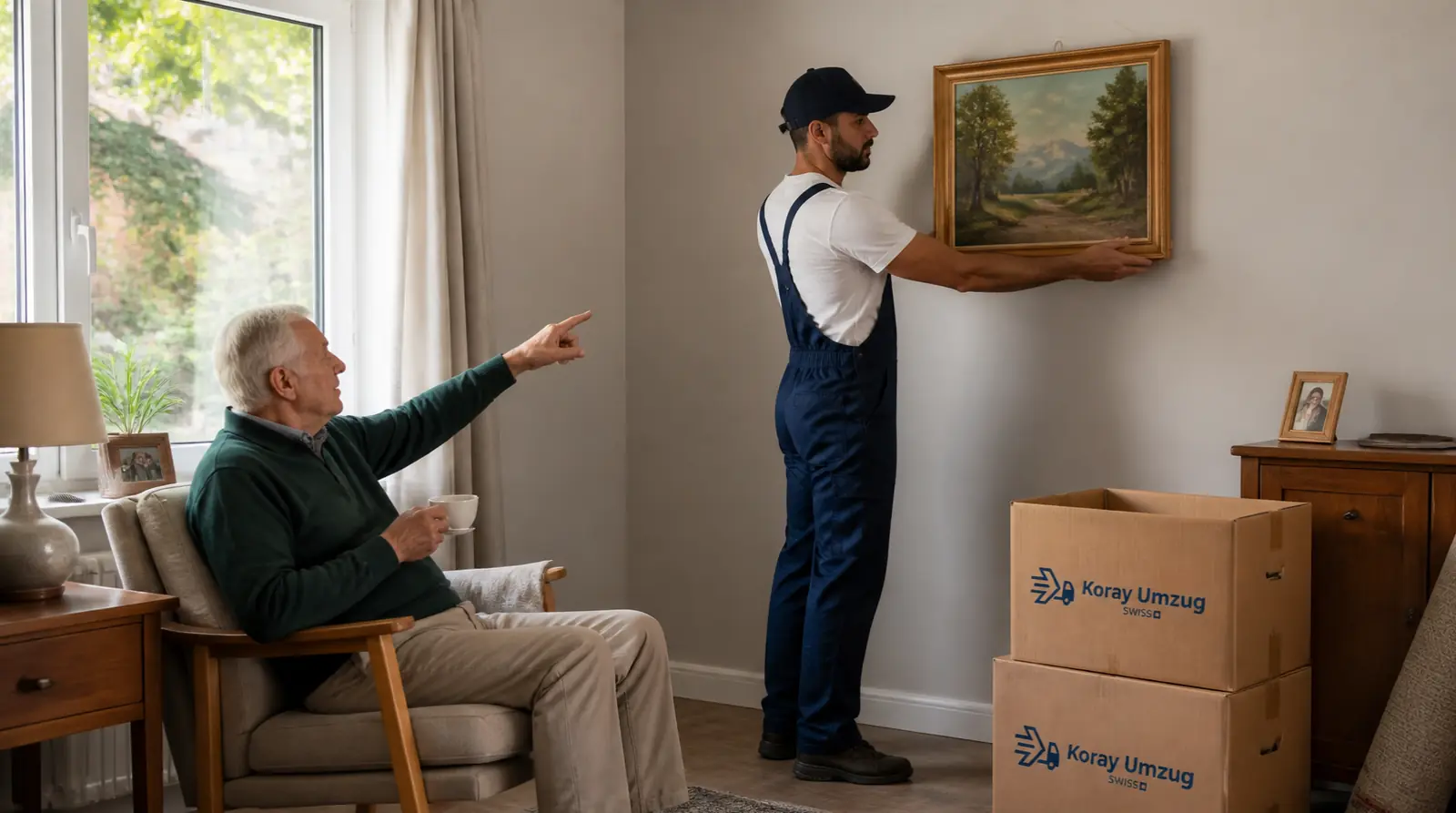
A move at an advanced age is a major event that requires both logistical and emotional planning. Whether a change to a smaller apartment, to sheltered housing or to relatives – structured preparation and the right support make the difference between a stressful move and a successful one.
Plan early: the key to a calm move
Unlike a move by younger people, a senior relocation as a rule needs clearly more lead time. Start planning if possible a year, or at least six months, in advance so that all aspects can be clarified calmly. Visit different housing options – a smaller apartment, senior housing, sheltered housing, a care home – and weigh advantages and disadvantages carefully. Discuss the plans at length with close relatives and, if possible, with the family doctor, who can contribute important points on health and care needs. Early financial planning helps avoid unwelcome surprises regarding moving costs, the new rent and any adaptation costs.
Emotional preparation: farewell and a new start
A move later in life often means leaving an apartment that has been home for many decades and to which strong memories are attached. Take time to say goodbye: take photos, visit favourite places and talk to friends and family about your feelings. Conversations with a psychologist, chaplain or senior adviser can help process fears and worries. Emphasise to yourself and relatives the positive aspects of the new start: less work around the apartment, new contacts, more safety and support. Involve seniors in all decisions as far as possible – that strengthens the sense of control and dignity.
What to take? Clearing out with care
A senior relocation is an opportunity to sort decades of accumulation. Divide items into four categories: keep, give away, sell, dispose of. Start with less emotionally charged areas (cellar, attic) and only then work towards more personal rooms. Ask children and grandchildren to collect keepsakes that matter to you – that way the items stay in the family. Do without items that no longer have space or are no longer needed at the new address, and prefer to pass them into good hands. Professional clearance firms can dispose of remaining furnishings properly and with respect.
Organising support: family, friends and professionals
Think early about which help you can receive from your personal circle and where professional support makes sense. Specialist moving companies with experience of senior relocations know the particular needs of older people: calm working, clear communication, no rush. Coordinate helpers well: who brings which furniture, who accompanies the senior, who takes care of official errands? Clarify whether social services or the municipal service can support with official errands. An accompanying service or care help on moving day itself can be a great relief.
Aftercare: settling into the new surroundings
Settling in after the move often takes longer than expected – therefore plan visits from relatives in the first weeks actively. Make the new apartment as familiar as possible: favourite pieces, personal photos and familiar items help make the new home feel homely. Make contact with the new neighbourhood and, where relevant, with local senior offers (lunch table, outings, clubs). Watch for signs of depression or social isolation in the first months and react early. Regular reachability – in person, by phone or video – strengthens the sense of safety.
Frequently Asked Questions
How much does a professional senior relocation in Switzerland cost?
Costs depend on scope, distance and extras. For a senior relocation with clearing-out and a complete service, reckon with CHF 2'000–5'000 depending on household size. Obtain several quotes.
Who helps organise a senior relocation?
Besides professional moving companies, many municipalities and Spitex offices offer support. Pro Senectute and cantonal senior organisations often have advice offers for older people when moving.
Can seniors deduct rent from supplementary benefits when moving into sheltered housing?
Yes, recognised rent costs can be taken into account when calculating supplementary benefits. Contact the competent AHV compensation office for exact information on limits and application deadlines.
What should be watched if a parent with dementia is moving?
With dementia, continuity and familiar objects are particularly important in order to minimise disorientation. A specialist moving company or accompaniment by care staff on moving day is strongly recommended in this case.
How long does it take until seniors have settled in after a move?
That is very individual and depends on personality, social contacts and the extent of the change. Many seniors need six to twelve months to feel fully settled; regular visits and active social integration help.