

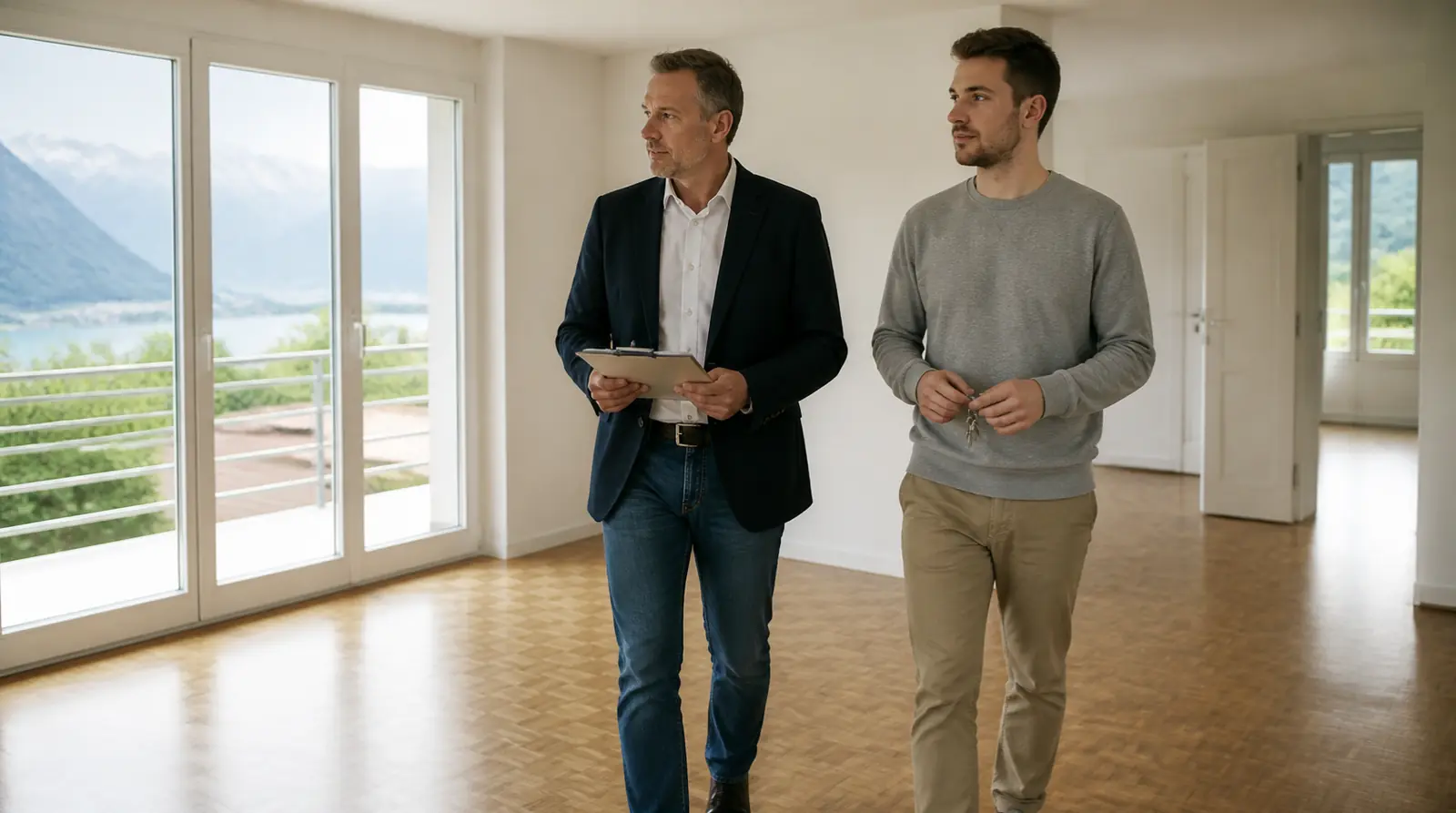
The apartment handover is the official close of a tenancy. What is recorded in the handover protocol can decide whether you get your rental deposit back in full or whether the landlord makes deductions. Good preparation protects you from unjustified claims.
What is the handover protocol and why does it matter so much?
The handover protocol is a written document that records the condition of the apartment at the time of handover. It is completed jointly by tenant and landlord and signed by both. The protocol serves as legal evidence: defects that are not noted in it can as a rule no longer be charged to the tenant after handover. It is therefore important to complete the protocol carefully and in full. If one party refuses to sign, this should be certified by a witness or a notary.
How the apartment handover proceeds
Agree the handover appointment early with the landlord and arrive on time and prepared. Bring all keys – forgotten keys can lead to lock changes at your expense. Go through every room systematically and check floors, walls, ceilings, windows, doors, sanitary fittings and built-in appliances. Note all defects in the protocol, including those that already existed when you moved in – that protects you from unjustified claims. Insist that the protocol is completed in full on site and signed by both parties.
Dealing with defects at handover
Distinguish between normal wear and genuine damage: small scratches, faded paint or light signs of use are not damage, but normal wear. Genuine damage – such as holes in walls, broken panes or scratched parquet – can be charged to the tenant. Dispute defects that are not present or already existed at move-in: record objections in writing in the protocol. Photograph all disputed spots and date the pictures so that you have evidence if needed. For larger damage it is advisable to obtain a neutral estimate from a specialist.
Cleaning requirements and end-of-tenancy cleaning
One of the most frequent causes of deposit deductions is insufficient cleaning of the apartment. The apartment must be handed over broom-clean – in practice that means a thorough deep clean of all rooms including kitchen and bathroom. Particular attention is due to the hob, oven, fridge, extractor hoods and sanitary fittings. Windows inside and outside, shutter boxes and an outside balcony or terrace must also be clean. Professional end-of-tenancy cleaning with a handover guarantee offers the greatest certainty that the cleaning meets the requirements.
Your rights as a tenant at handover
You have the right to read the handover protocol before you sign it and to request changes or additions. Nobody can force you to sign an incomplete or incorrect protocol. If the landlord makes unrealistic demands, you have the right to refuse them and apply for a conciliation hearing. If possible, bring a neutral witness to the handover, for example a friend or a representative of the Tenants' Association. For complex or disputed handovers the presence of a legal adviser is recommended.
Frequently Asked Questions
Do I have to sign the handover protocol?
You are not legally forced to sign, but the signature of both parties gives you legal certainty. If you disagree with individual points, record your objections in writing directly in the protocol before you sign.
What happens if the landlord does not appear at the handover appointment?
In that case you should remind the landlord in writing and propose a new appointment. If they do not appear again, you can document the handover with a witness or a notary in order to protect yourself.
How long after handover can the landlord still claim defects?
Defects that were not recorded in the handover protocol can as a rule no longer be claimed after the keys are returned. The only exception is hidden defects that were not yet recognisable at move-in.
Do I have to repaint walls before handover?
That depends on the lease and the actual condition of the walls. Normal wear after years of living does not have to be made good; heavy discolouration, holes or conspicuous stains do.
What counts as broom-clean in Switzerland?
Broom-clean means that all rooms are roughly cleaned, coarse dirt is removed and the floor is swept. That is a minimum standard – in practice a more thorough end-of-tenancy clean is expected of tenants.